

The Best Smart Home Gadgets for French Homes in 2026
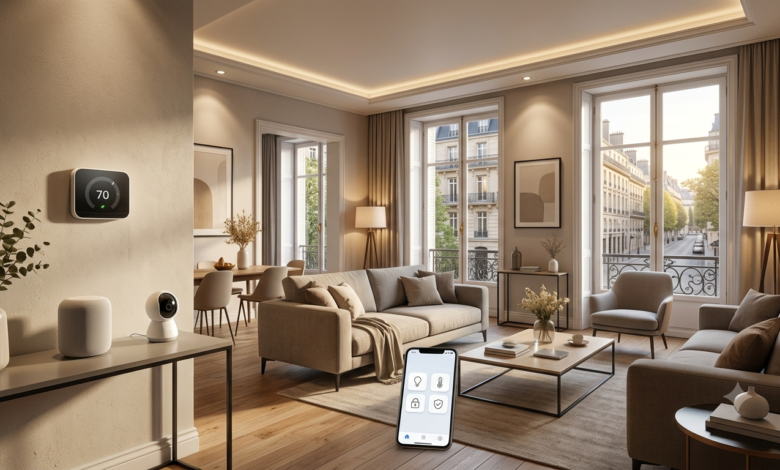
Smart home technology is becoming an increasingly practical part of everyday life. From intelligent thermostats and connected lighting to security cameras and automated plugs, modern gadgets can help French households improve convenience, monitor their homes, and manage energy use more effectively.
However, choosing the right devices requires more than comparing features. French apartments and houses can have different heating systems, electrical installations, internet coverage, and space requirements. Compatibility with existing devices, privacy protections, and ongoing subscription costs also matter.
In this guide, we explore the best categories of smart home gadgets to consider in 2026, the brands worth comparing, and the factors that can help French consumers build a connected home that suits their needs and budget.
1. Smart Thermostats for Better Energy Management


Heating can represent a significant share of household energy consumption, particularly during colder months. A smart thermostat helps homeowners manage heating schedules, adjust temperatures remotely, and automate settings around their daily routines.
Brands such as Netatmo and tado° offer products designed for different heating systems. Depending on the model, features may include smartphone control, programmable schedules, room-by-room temperature management, and heating reports.
Smart radiator thermostatic valves are another option for homes with compatible radiators. They can help users manage temperatures in individual rooms instead of heating every space in the same way.
For French households, compatibility is particularly important. Some homes use gas boilers, others rely on electric heating, and some apartments receive heating through a shared building system. Not every thermostat works with every installation.
What to check before buying:
-
Compatibility with your boiler, radiators, or electric heating system.
-
Whether professional installation is required.
-
Whether advanced features need a subscription.
-
Whether the device supports the heating controls already installed in your home.
A smart thermostat can make heating easier to manage, but actual energy savings depend on the property, the existing system, temperature settings, and household habits.
2. Smart Lighting for Comfort and Convenience


Smart lighting is one of the easiest ways to begin building a connected home. Smart bulbs, LED strips, and compatible switches allow users to control lighting through a mobile app, voice commands, or automated schedules.
Two brands worth comparing are Philips Hue and WiZ. Their product ranges vary in connectivity, brightness, colour options, and integration with other smart home systems.
For example, residents of a French apartment could schedule the living room lights to switch on before returning home, dim the bedroom lighting at night, or use motion-triggered lighting in a hallway.
Not every household needs colour-changing bulbs. Simple smart white bulbs may be sufficient for scheduling and remote control, while more advanced systems can provide scenes for reading, watching films, or entertaining guests.
Before purchasing, check the bulb fitting, Wi-Fi or Bluetooth requirements, dimmer compatibility, and whether a separate hub is needed. Also consider whether the lighting remains controllable when a wall switch is turned off.
3. Smart Plugs for Everyday Appliances

Smart plugs are small, affordable devices that can make certain traditional electrical appliances part of a connected home. They typically plug into a wall socket and allow users to control compatible devices through an app or an automation system.
The TP-Link Tapo P110M is one model worth considering because it supports Matter and energy monitoring. Check the precise model and regional specifications before buying, as not every smart plug offers the same functions.
Useful applications include:
-
Scheduling a table lamp to switch on in the evening.
-
Turning off a compatible device remotely when appropriate.
-
Tracking the electricity consumption of supported appliances.
-
Including a lamp in a voice-controlled routine.
For French homes, check that the plug fits the socket, supports the required electrical load, and works with your preferred smart-home platform. Never exceed the manufacturer’s power rating or use a smart plug to control appliances that require continuous supervision or have special safety requirements.
4. Smart Security Cameras and Video Doorbells


Smart security cameras and video doorbells can help residents check their property while they are away. Depending on the model, features may include motion detection, night vision, smartphone alerts, two-way audio, and video recording.
Brands worth comparing include TP-Link Tapo, Ring, and Netatmo.
Before purchasing, compare the following features:
-
Video quality: Choose a resolution that provides useful detail for your intended viewing area.
-
Night vision: Important for monitoring entrances and outdoor spaces after dark.
-
Storage: Check whether recordings are saved locally, on a memory card, or in the cloud.
-
Subscription costs: Some services charge extra for extended video history or advanced detection.
-
Connectivity: Check Wi-Fi coverage at the intended installation point.
Privacy is especially important in France. Position cameras to monitor your own property without unnecessarily capturing neighbours’ homes or public areas. In apartment buildings, check applicable rules before installing a camera near a shared entrance. Smart cameras should complement, not replace, appropriate physical security measures.
5. Smart Speakers and Voice Assistants


Smart speakers can provide a convenient way to control compatible lights, plugs, thermostats, and other devices. They can also play music, set reminders, provide weather updates, and activate routines through voice commands.
Three major ecosystems to consider are:
-
Amazon Alexa: A useful option for households that want voice controls and routines across a range of compatible accessories.
-
Google Home: Brings compatible smart devices together in one app and supports automation through Google’s ecosystem.
-
Apple Home: Worth considering for households already using an iPhone, Apple Watch, Apple TV, or HomePod.
The best ecosystem depends on the devices you already own and the products you plan to add. Check French-language support, device compatibility, and whether specific automation features require a compatible hub.
Privacy settings deserve attention, too. Review microphone controls, voice-recording settings, connected accounts, and permissions before giving an assistant access to additional services.
6. Smart Sensors for Doors, Windows, and Indoor Conditions

Smart sensors can monitor changes inside the home and trigger alerts or automations. They are often small, relatively unobtrusive, and most useful when installed to solve a specific problem.
Common options include:
-
Door and window sensors: Send notifications when an entry point opens or closes.
-
Motion sensors: Trigger compatible lights or alerts when movement is detected.
-
Temperature and humidity sensors: Help users monitor indoor conditions and, with compatible devices, automate heating or ventilation.
-
Water-leak sensors: Provide an alert when water is detected near a washing machine, sink, or other vulnerable area.
Some sensors work directly with a smart-home platform, while others need a dedicated hub. For example, TP-Link lists compatible Tapo sensors for motion, door and window contact, and temperature and humidity monitoring. Always verify the requirements of the specific model.
Remember that a connected sensor is not automatically a certified safety device. For smoke, carbon monoxide, and other serious hazards, use suitable purpose-built detectors that meet the relevant safety requirements.
7. Smart Hubs and Matter-Compatible Devices

As a smart home grows, managing products from several manufacturers can become complicated. A smart hub or compatible controller can help connect devices and coordinate automations, although some products work directly through Wi-Fi and do not need a separate hub.
Matter is a connectivity standard designed to improve interoperability between supported smart-home devices and platforms. It can make it easier to combine products from different manufacturers, including compatible lights, plugs, sensors, and heating controls.
However, Matter does not guarantee that every device works with every platform or supports every feature. Some products require a compatible controller, a Thread border router, or the manufacturer’s app for certain functions. Google’s official compatibility guidance, for example, explains that Matter setups may require a suitable hub.
Before buying a hub, check:
-
Whether your current smart speaker or home controller already provides the required functionality.
-
Whether the new device supports Matter or your preferred platform directly.
-
Whether a separate hub or Thread border router is required.
-
Which features remain available when the manufacturer’s cloud service is unavailable.
Choosing compatible devices from the beginning can help reduce complexity and avoid unnecessary purchases later.
8. The Best Smart Home Gadgets for Different Budgets
The cost of a smart home depends on how many devices you install, whether you need a hub, and whether professional installation or paid subscriptions are required. Rather than buying everything at once, start with the devices that offer the greatest practical value.

Budget-friendly upgrades
Begin with a smart bulb or plug. These devices offer an easy introduction to remote control, scheduling, and basic home automation without major changes to the property.
Best for: Renters, small apartments, and beginners.

Mid-range smart home setup
Combine a smart speaker, connected lighting, and a few sensors. This setup can support voice commands, automatic lighting schedules, and routines for leaving or returning home.
Best for: Households seeking everyday convenience.

Premium smart home system
A more advanced setup may include a compatible smart thermostat, room-by-room heating controls, security cameras, multiple sensors, and a central hub.
Best for: Larger homes and users seeking extensive automation.
Prices can change considerably between retailers and product generations. Before purchasing, compare current prices from French retailers and manufacturers, and calculate the total cost of ownership, including accessories, installation, and subscriptions.
9. What French Buyers Should Check Before Purchasing
A product with impressive features is not necessarily the right choice for every home. These checks can help French consumers avoid compatibility problems and unnecessary expenses.
Heating and electrical compatibility
Check the existing heating system before buying a thermostat or radiator valve. For connected plugs and switches, verify electrical ratings, socket compatibility, and installation requirements. If the installation involves fixed wiring or modifications to a heating system, consider using a qualified professional.
Wi-Fi coverage and hub requirements
A device installed in a garage, garden, or upstairs room may struggle if the Wi-Fi signal is weak. Check the device’s connectivity requirements and whether a hub is necessary. A mesh Wi-Fi system may help in larger properties, but it is not automatically required for every smart home.
Compatibility with your existing devices
Consider whether you use Amazon Alexa, Google Home, Apple Home, or another platform. Check the manufacturer’s compatibility list and the precise functions supported. Matter can improve interoperability, but it should not be treated as a guarantee of universal compatibility.
Privacy and cybersecurity
Connected cameras, speakers, and sensors can collect sensitive information about household activities. Protect your setup by using unique passwords, enabling multifactor authentication where available, installing firmware updates, and reviewing data-sharing permissions.
For cameras, check where recordings are stored, how long they are retained, and whether a subscription is required. Follow French privacy rules and avoid recording neighbours or public spaces unnecessarily.
Warranty and after-sales support
Buy from reputable sellers and review the warranty, return policy, and availability of customer support in France. Also check how long the manufacturer expects to provide software and security updates, since a connected device can become less useful if its support ends.
10. Are Smart Home Gadgets Worth Buying in 2026?
Smart home gadgets can offer real convenience, but their value depends on the problem they solve.
A smart thermostat may make heating schedules easier to manage. Connected lighting can automate everyday routines, while smart plugs can control compatible appliances and, on supported models, track electricity use. Cameras and sensors can provide alerts when activity or a potential problem is detected.
However, not every device saves money. Energy savings depend on the property, existing equipment, user behaviour, and how the devices are configured. Subscription fees and replacement costs can also affect the overall value.
Before buying a gadget, ask yourself three questions:
-
What practical problem will this device solve?
-
Will it work with my current home setup?
-
Are its benefits worth the purchase price and any ongoing costs?
A well-designed smart home does not need dozens of connected devices. A few reliable products that work together can be more useful than a large collection of gadgets that rarely get used.
Conclusion
The best smart home gadgets for French homes in 2026 are those that improve comfort, simplify everyday tasks, support sensible energy management, or address a genuine security concern.
Smart plugs and connected lighting are accessible starting points. Thermostats may offer more value in homes with compatible heating systems, while cameras and sensors can support specific security and monitoring needs.
For the best results, begin with one or two useful devices, check compatibility before expanding, and pay attention to privacy, installation requirements, and ongoing costs. This gradual approach makes it easier to build a connected home that suits your property, budget, and lifestyle.
Frequently Asked Questions
1. What are the best smart home gadgets for beginners?
Smart bulbs and smart plugs are good starting points because they are generally straightforward to install and can introduce users to scheduling, remote control, and basic automation. Check compatibility with your existing devices before purchasing.
2. Can smart home gadgets work without Wi-Fi?
Some devices use Bluetooth, Thread, or a dedicated hub rather than connecting directly to Wi-Fi. However, remote control from outside the home may require an internet connection, and certain features may depend on cloud services.
3. Are smart thermostats compatible with every heating system?
No. Compatibility depends on the thermostat, the heating system, and the existing controls. French homes may use electric heating, individual boilers, or shared heating systems, so check the manufacturer’s requirements before buying.
4. Does Matter make all smart home devices compatible?
No. Matter improves interoperability between supported devices and platforms, but some features may vary, and certain installations require a compatible hub or Thread border router. Always check the manufacturer’s compatibility information.
5. Can smart home gadgets reduce electricity bills?
They can help users manage heating, lighting, and selected appliances more efficiently, but savings are not guaranteed. Results depend on how the devices are used, the home’s energy systems, and the cost of purchasing and operating the equipment.
